Sláva Daubnerová: Solo Lamentoso
Premiere: 18 December 2015, SĽUK, Bratislava
Written, Directed and Performed by: Sláva Daubnerová
Stage and Costume Design: Sláva Daubnerová
Choreography: Renata Ptačin
Music and Sound Design: Matej Gyárfáš
Voiceover: Ján Gallovič, Petra Vajdová, Sláva Daubnerová
Light Design: Slavomír Šmálik
About the work:
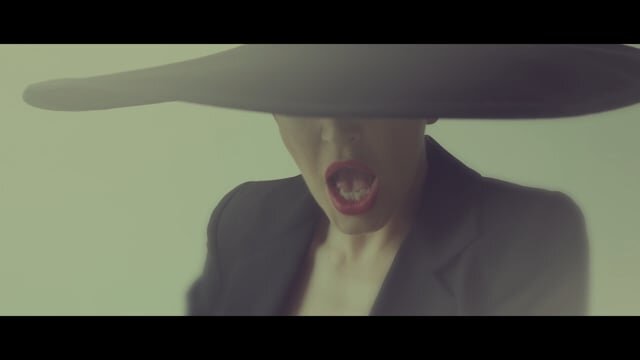
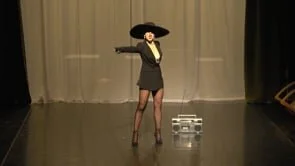
A physical-visual performance based on the true story of a woman from Štúrovo, a small town in southern Slovakia, who terrorised her neighbours for fourteen years by playing the same opera aria – Di quella pira, sung by Plácido Domingo – every day, from morning until evening, in an endless loop.
Artistic approach:
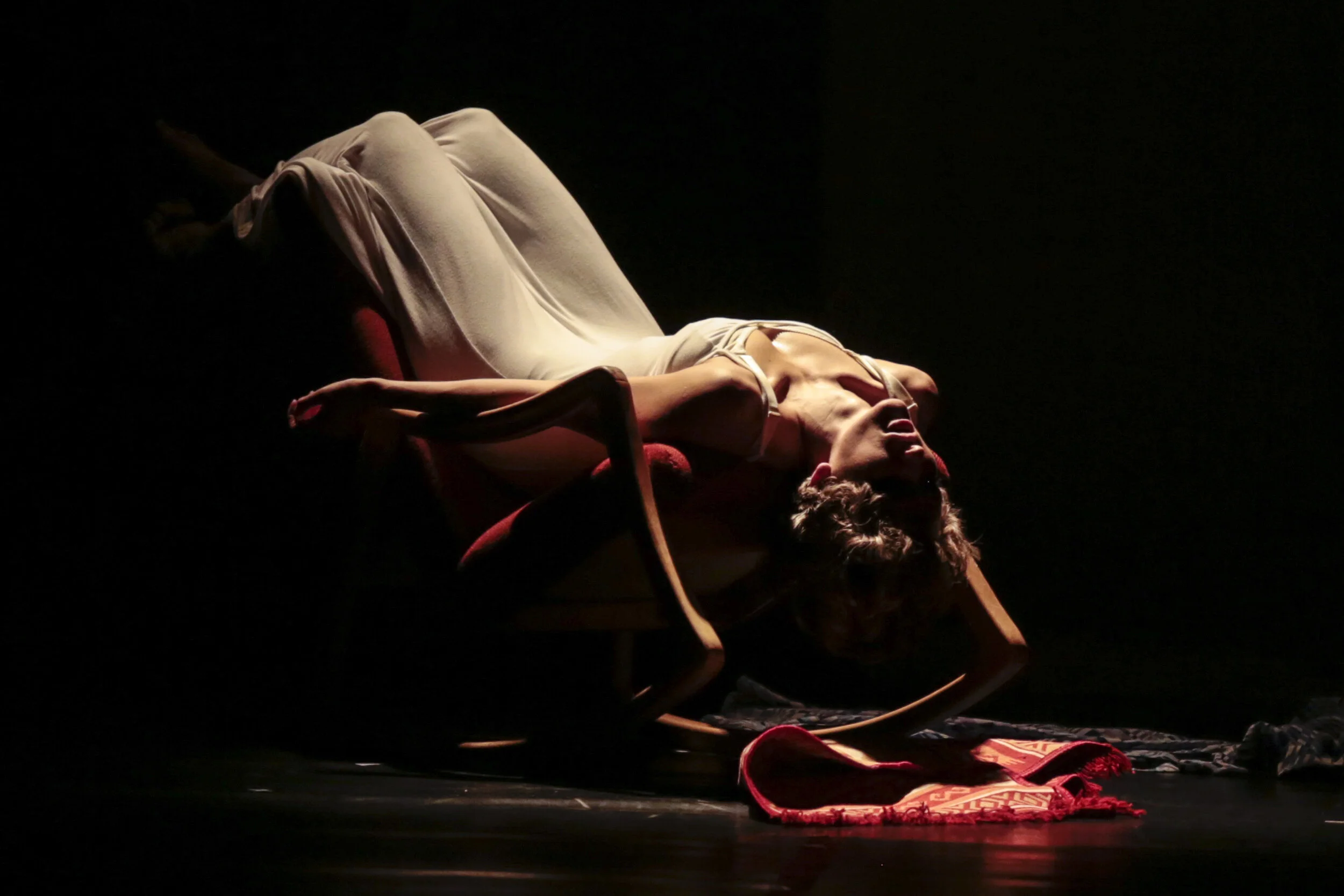
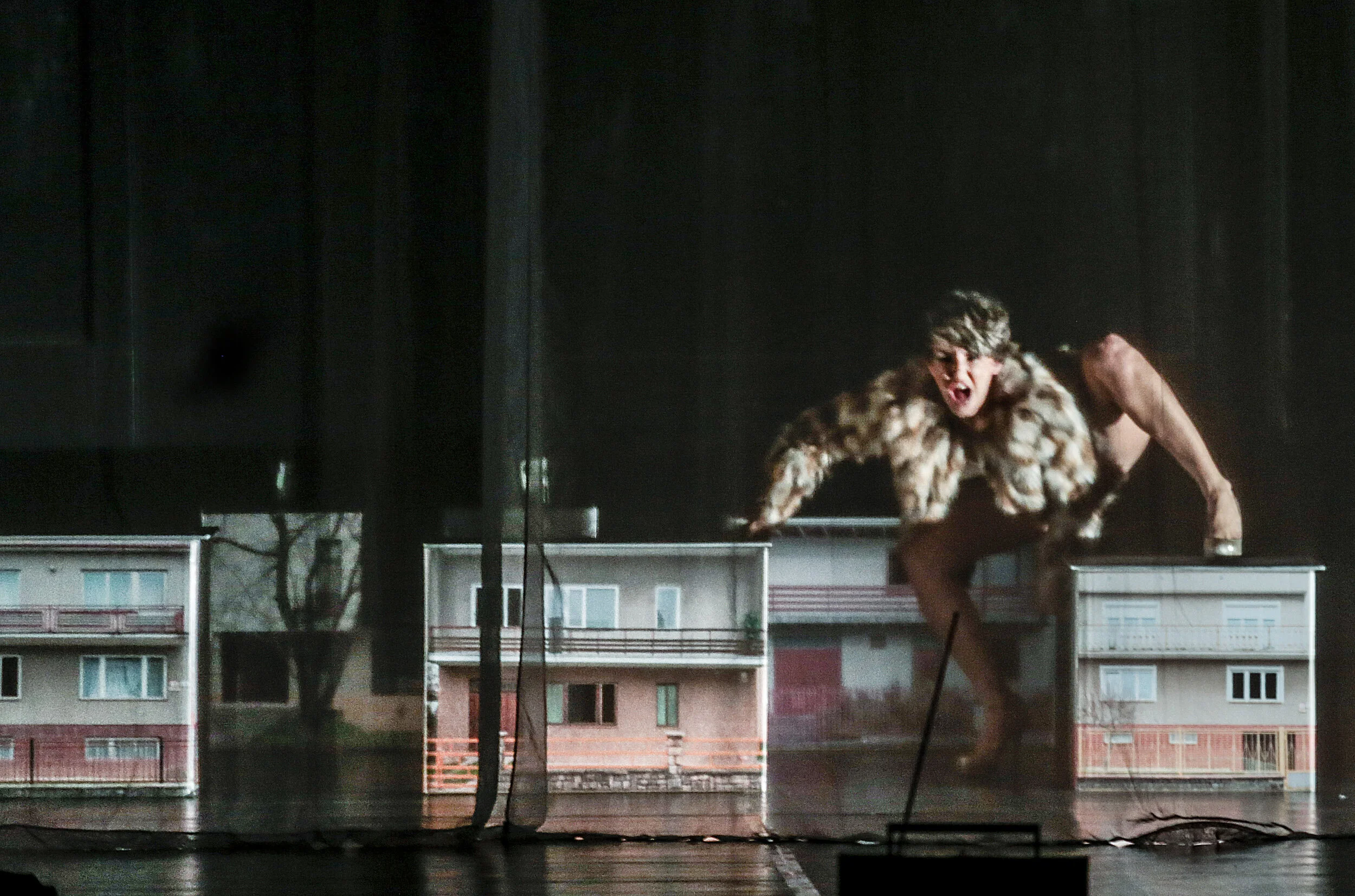
Starting from this almost absurd real-life case, Daubnerová explores how intolerance, isolation and growing hostility can emerge within a community. Documentary research, authentic television footage, recorded voices, opera music, movement and the performer’s body are combined into a fragmented portrait of an individual in conflict with society. The banal local story becomes a broader reflection on freedom, solitude, social exclusion and the limits of tolerance.
Performance:
Daubnerová was the author, director and performer, transforming a documented media story into a highly stylised physical and multimedia performance.
Awards and nominations:
Student Jury Award – New Drama Festival 2016
Nominated for Dosky Award 2016 – Best Production
Nominated for Dosky Award 2016 – Best Direction
Nominated for Tatra banka Foundation Prize for Art 2016 – Theatre
Selected international festivals:
Raising the Velvet Curtain Festival, London, 2019
Akcent – International Festival of Documentary Theatre, Prague, 2019
Artistic development:
With Solo Lamentoso, Daubnerová moves from portraits of individual artists towards the documentary investigation of a real contemporary case. The extreme and almost unbelievable story of the “singing house” becomes a vehicle for examining wider social mechanisms, while her characteristic combination of documentary material, live performance, sound, movement and visual composition becomes increasingly mature. The work was particularly well received by theatre critics and audiences.